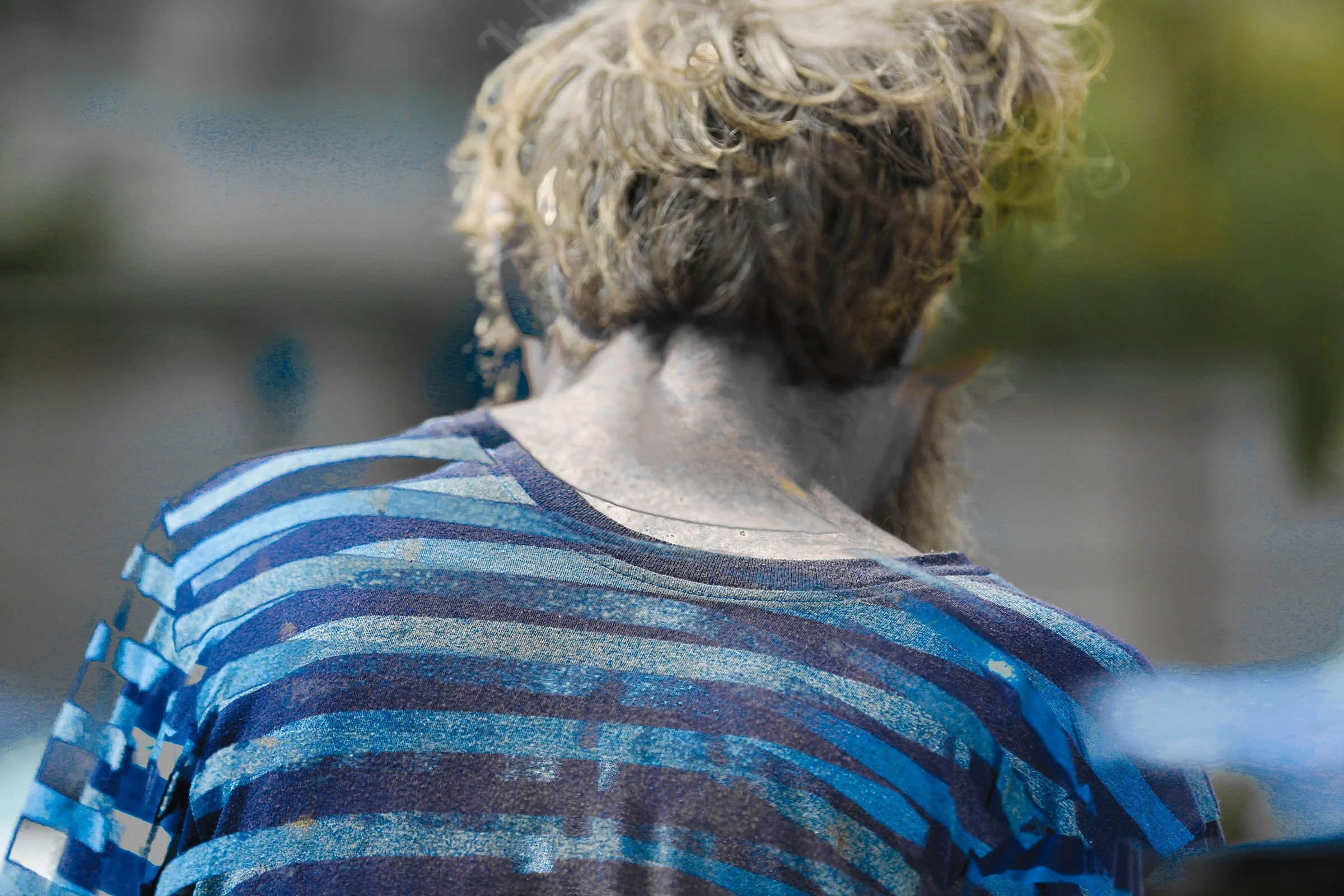
The Anonymous Invisible Project
It started with one photograph.
On June 1, 2015, I captured the most beautiful photograph I had ever seen.
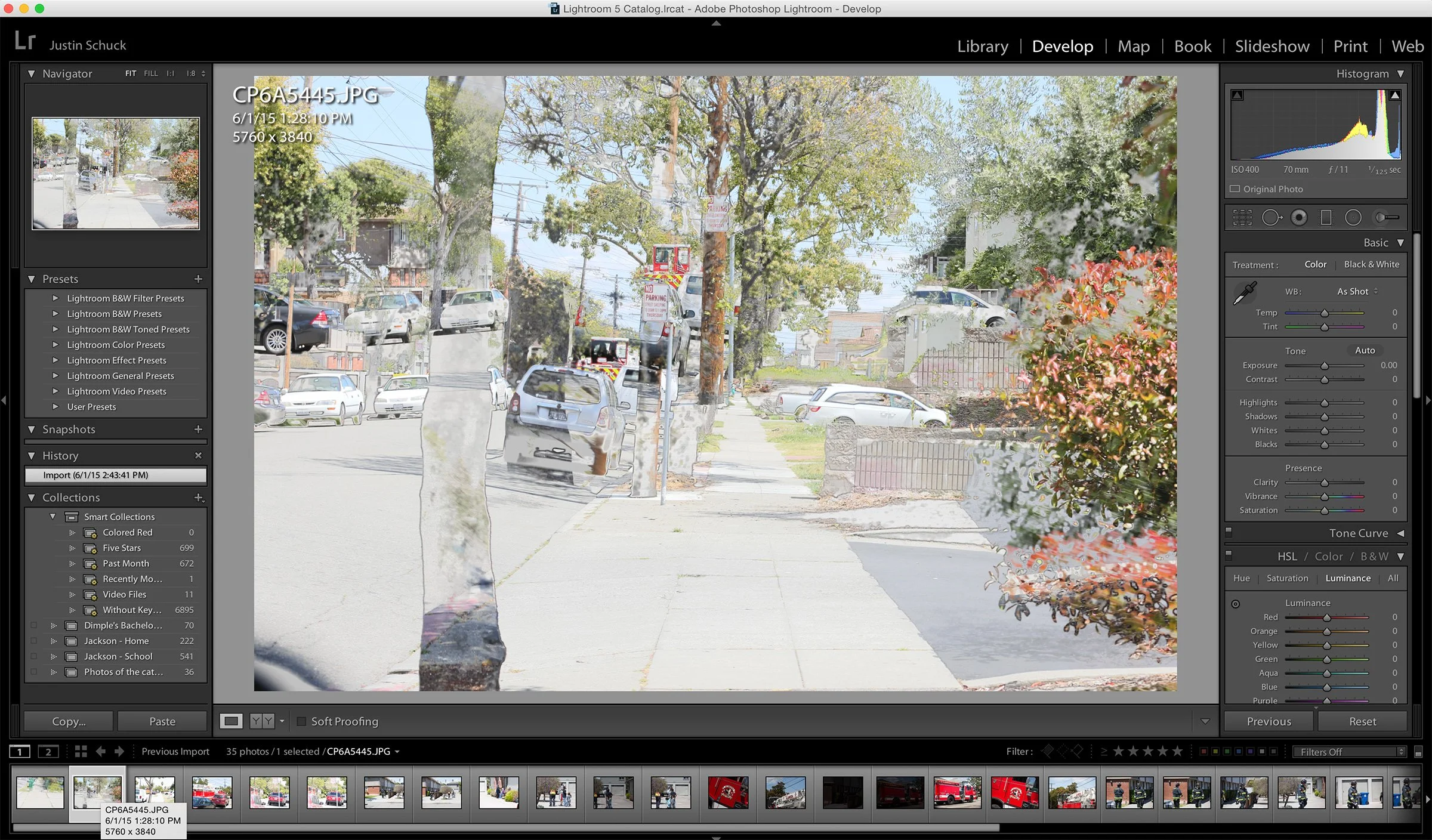
“Briggs Street” (June 1, 2015)
“Briggs Street”
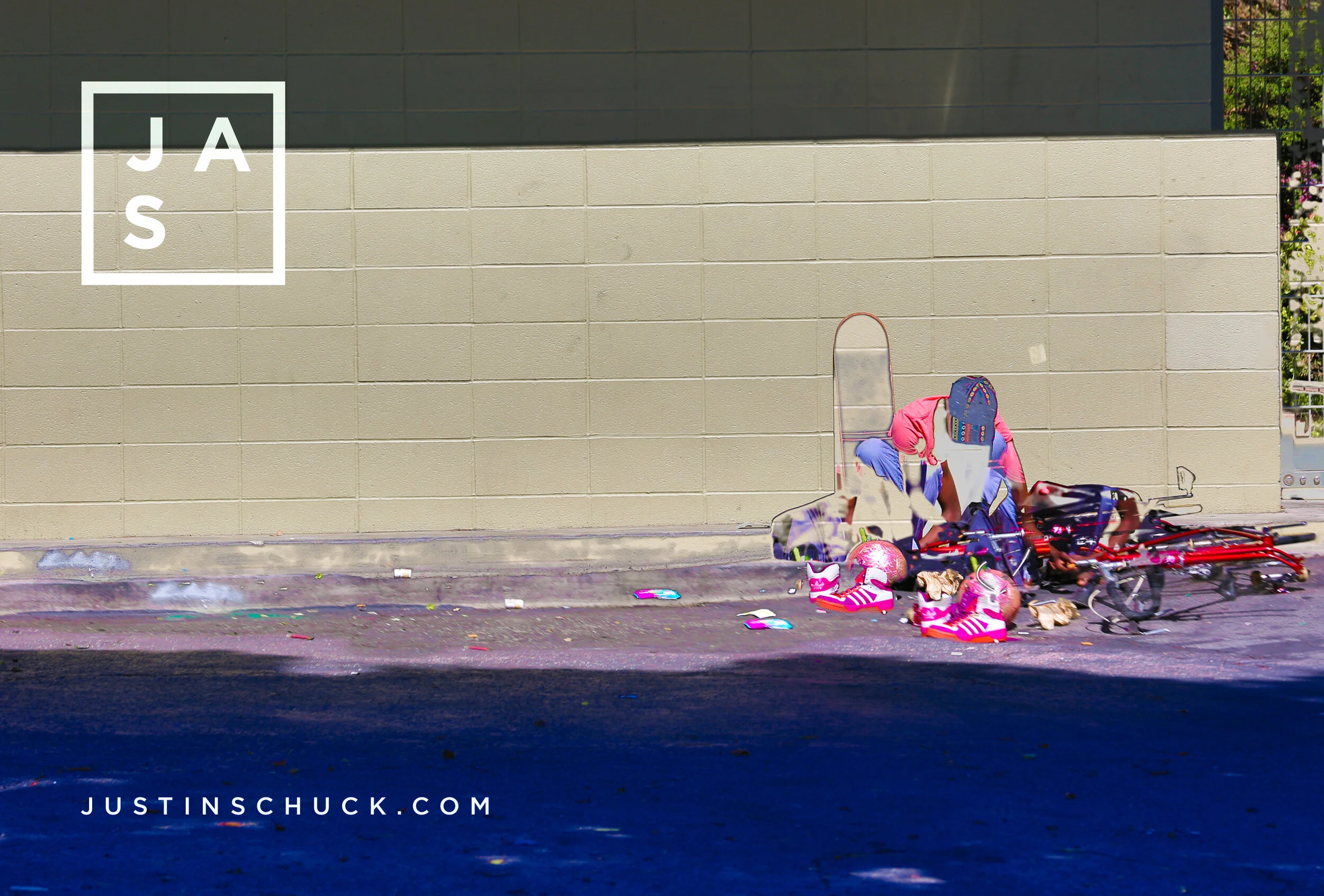
It was a beautiful June afternoon in Alameda, California. I awoke late Monday morning after a long weekend of hard partying with friends. While sipping my coffee and enjoying the sunlight flooding the living room, I heard the sound of a fire engine. As the sound got louder and louder, I saw the truck turn on to Briggs Street, adjacent to the house, and heard it stop not long after passing from view. Instinctively, I grabbed my camera from my bag and ran after the truck in the hopes that I could capture a few photos or a short video that I could sell to a local news station. As I was running towards the building, I snapped a few quick images and looked at the screen to check my settings. It flashed white, indicating it was horrifically overexposed. Typically I would delete these images in-camera, but I was too busy running towards the truck to waste time.
Sadly for me, but thankfully for the people who lived there, the building down the street was not, in fact, on fire. False alarm. I snapped a few photos of the truck and the fire crew, and made my way back to my house. When I got home, I popped the compact flash card into my reader and imported it into Adobe Lightroom. The very second image stunned me. Somehow, I had managed to capture this otherwise mundane side street in a way that so truly beautiful, I wept. I wept for nearly 40 minutes. I examined every pixel. This was a beautiful and revolutionary image. I immediately took a screenshot because I wanted to document this moment in time. The custom functions I had programmed for an interior architecture shoot I had done the week before in Newport Beach, California, had lent themselves to an entirely new type of photography.
This happy accident ignited in me a new passion for the artistic capabilities of my craft. All of the images, like “Briggs Street,” were captured as-is 100% in-camera, with no modifications from me in post-processing. Through hard work and experimentation, I developed the methods that would lead me to create the images that serve as the foundation for my Anonymous Invisible project. It all started with one photo, but with “Briggs Street,” I found my photographic raison d'être.

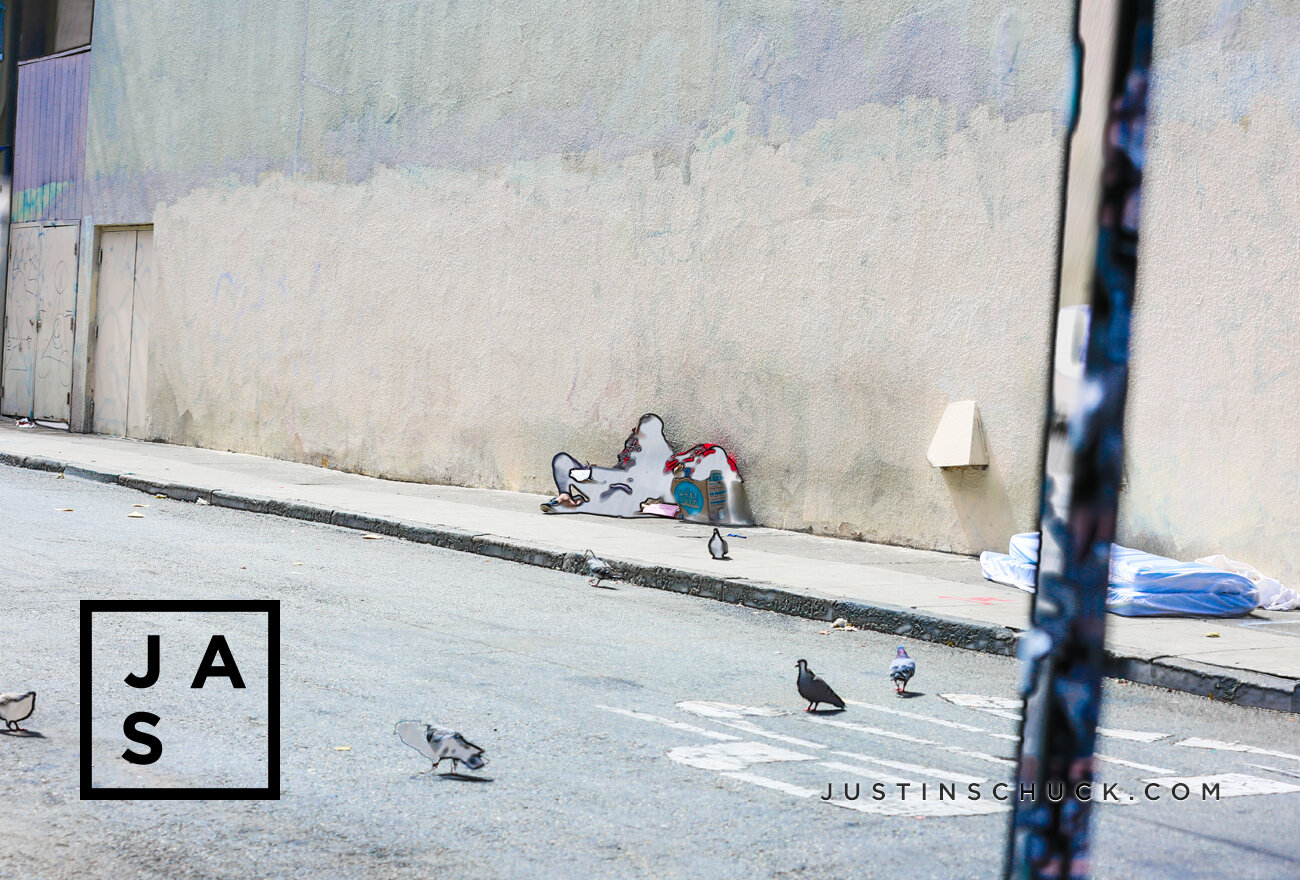
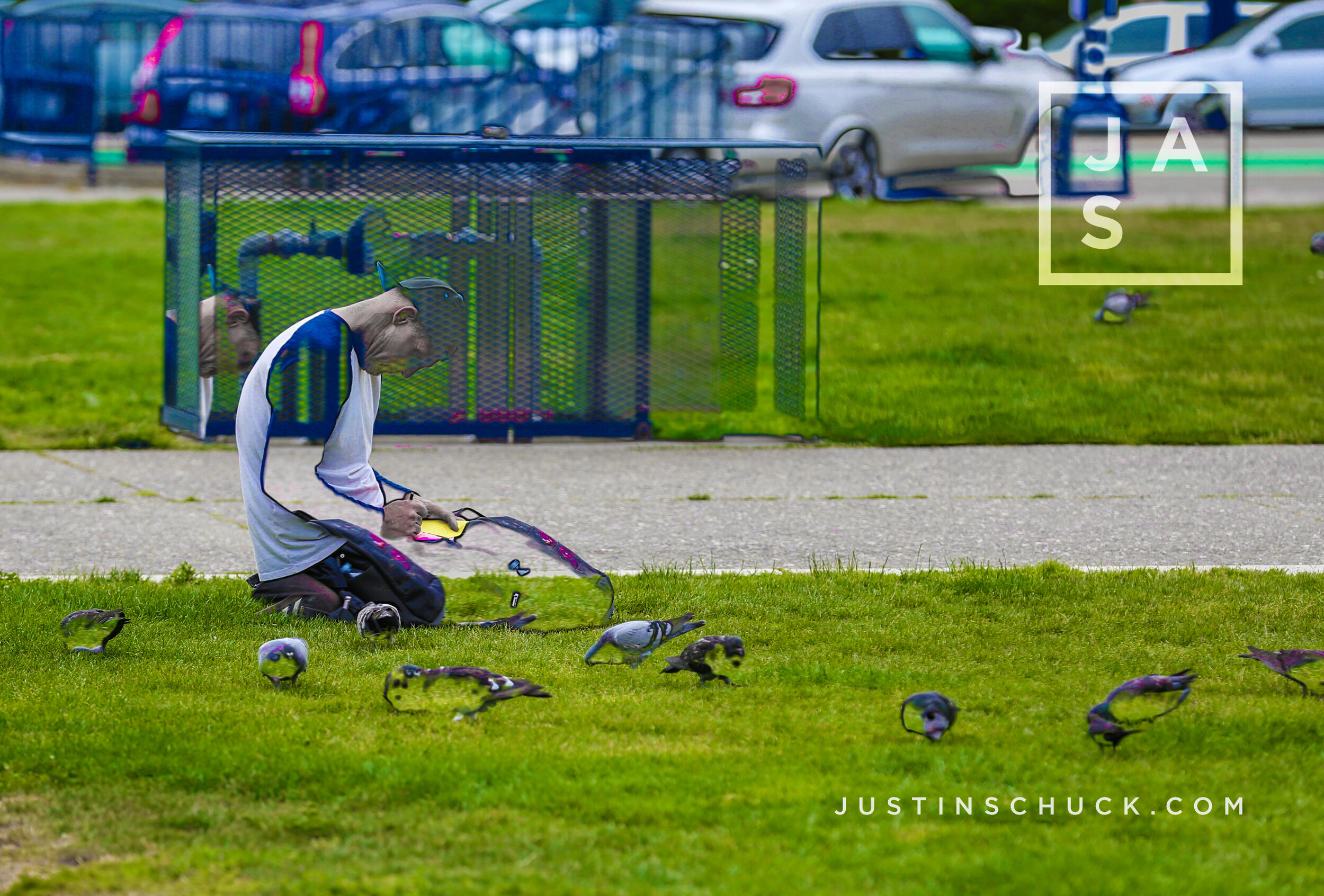
“Pigeon Point” (2016)
The Anonymous Invisible Project
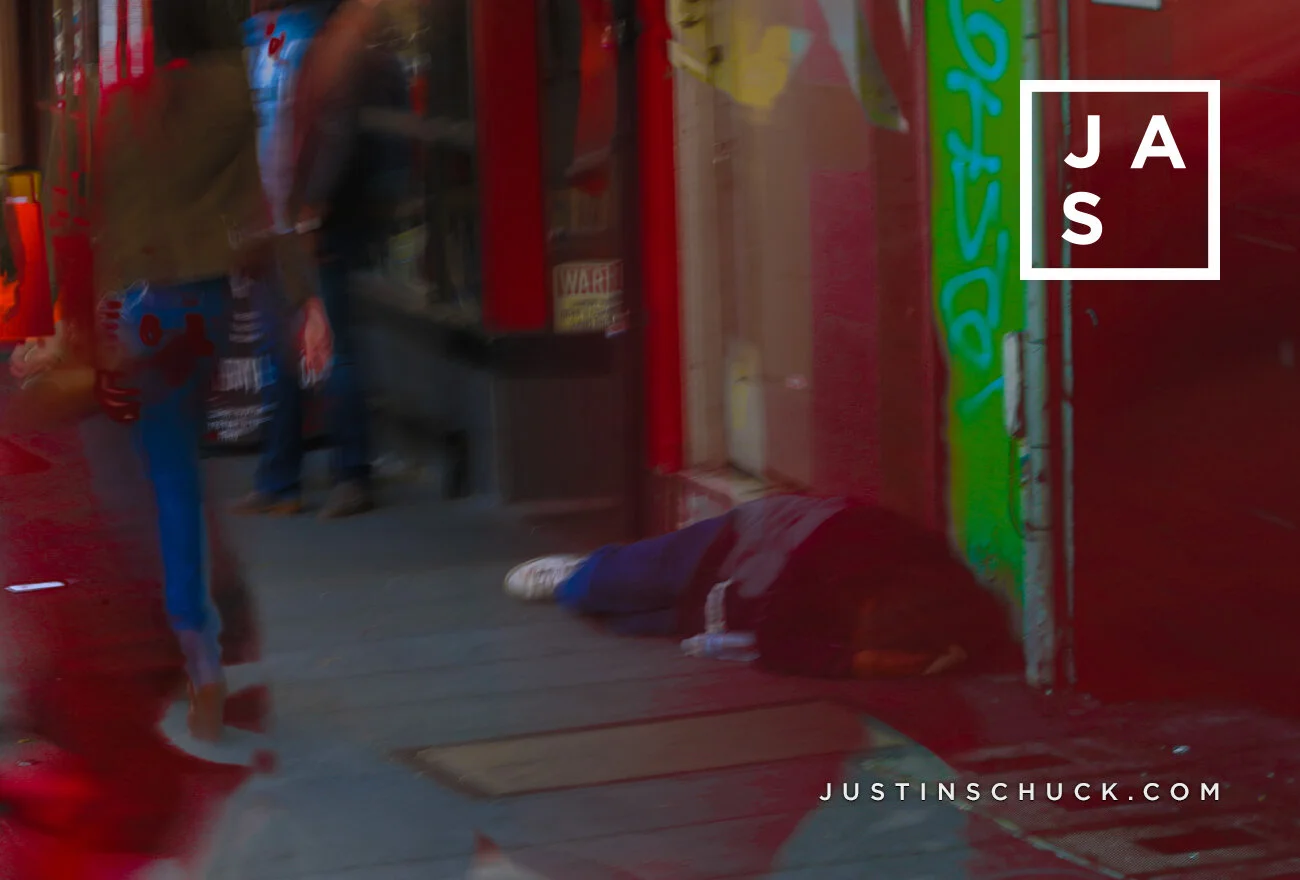
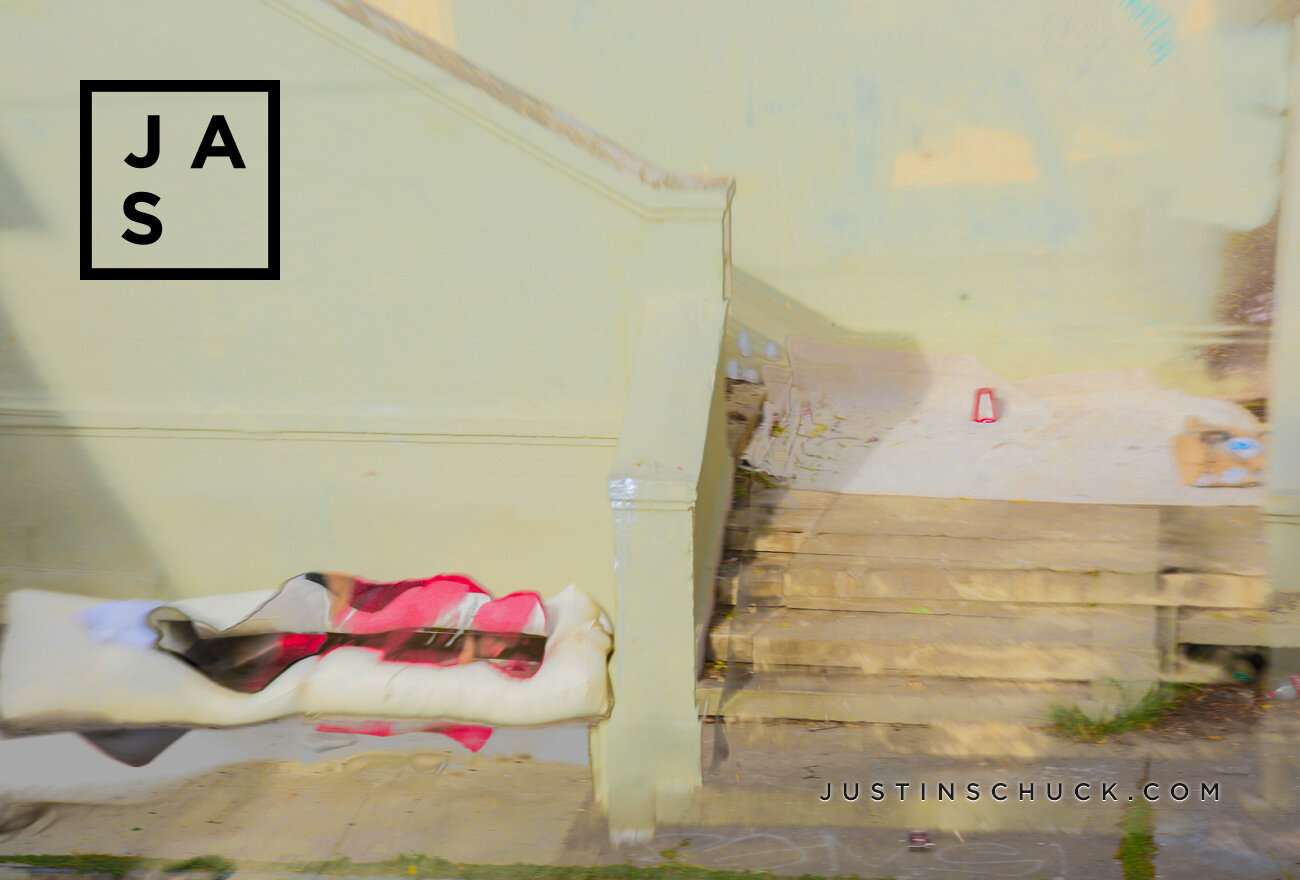
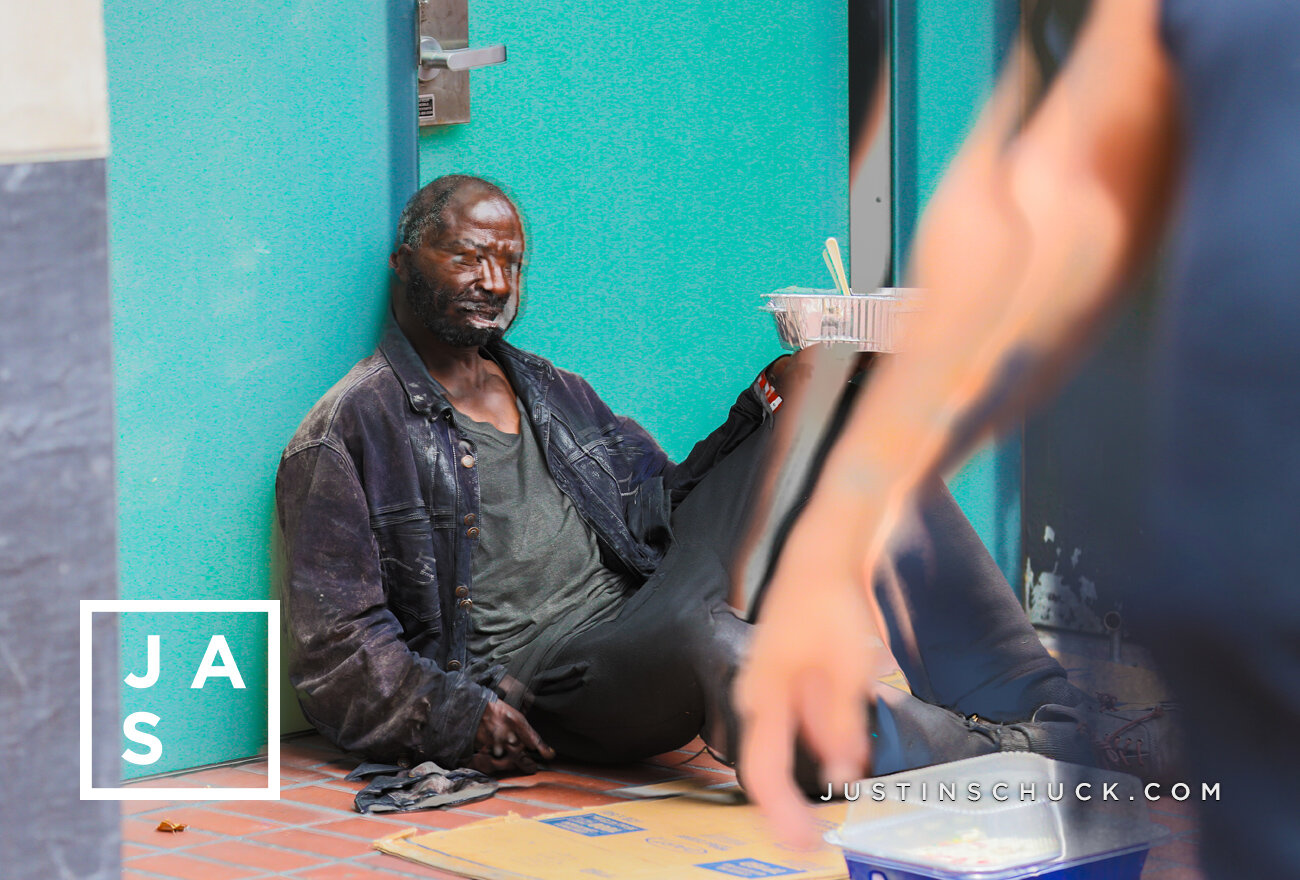
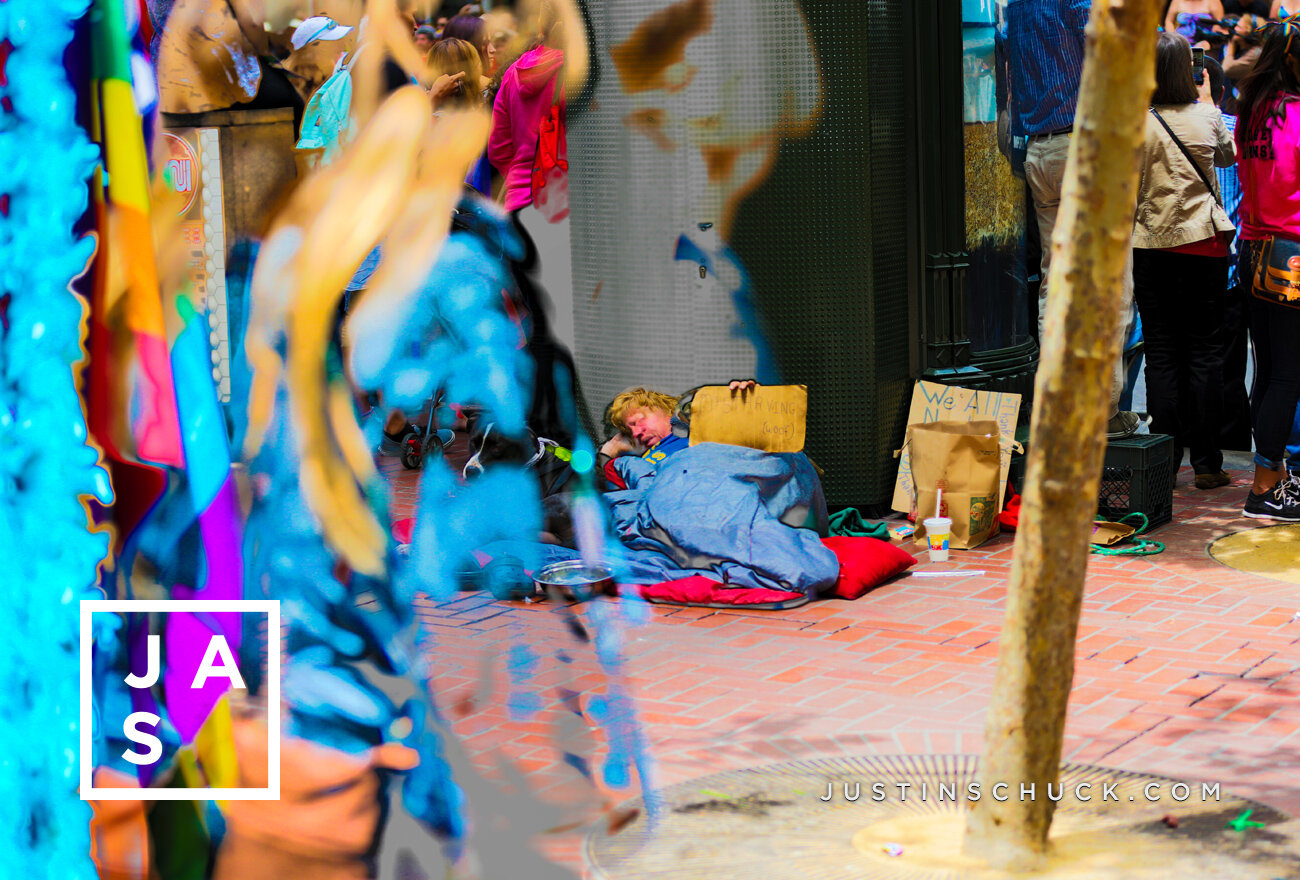
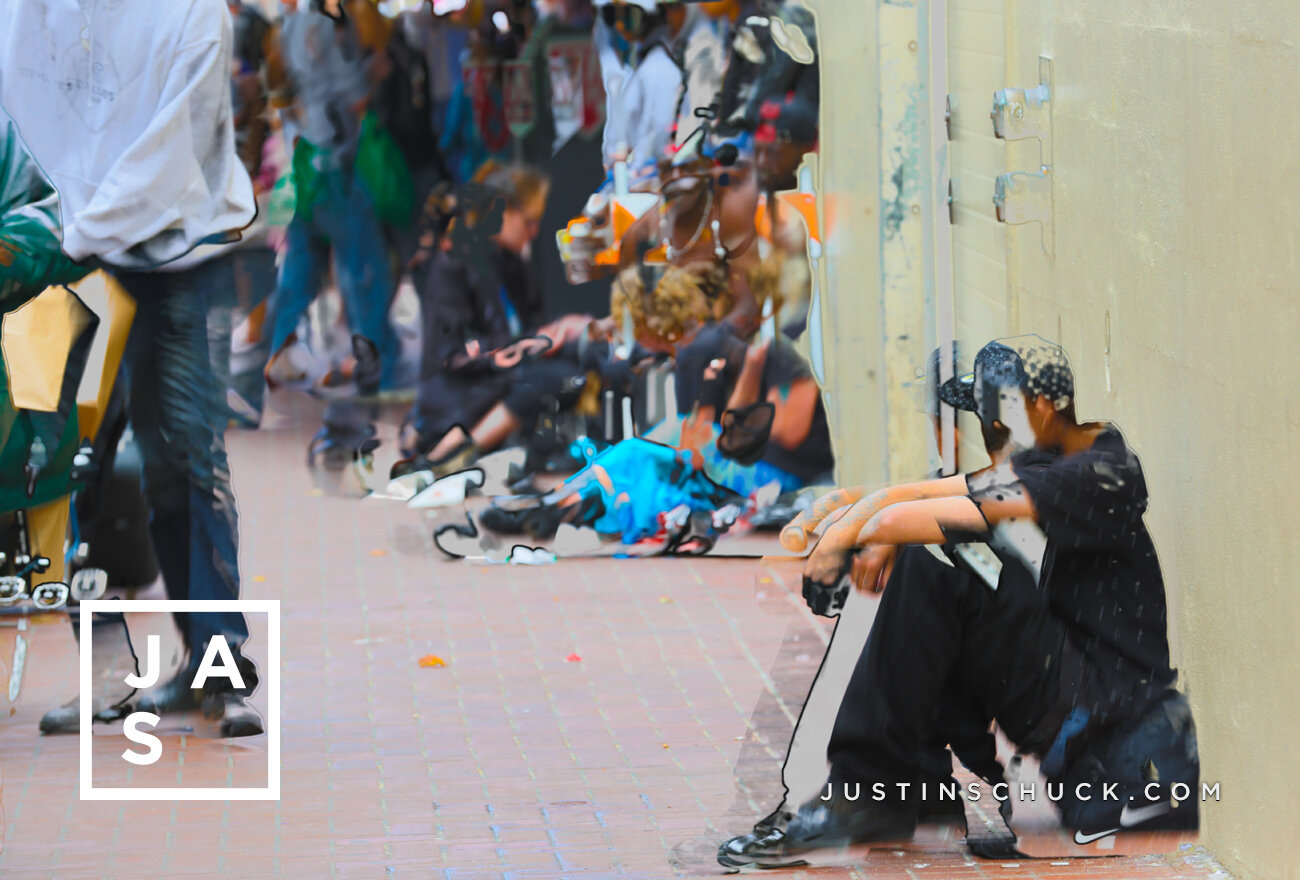
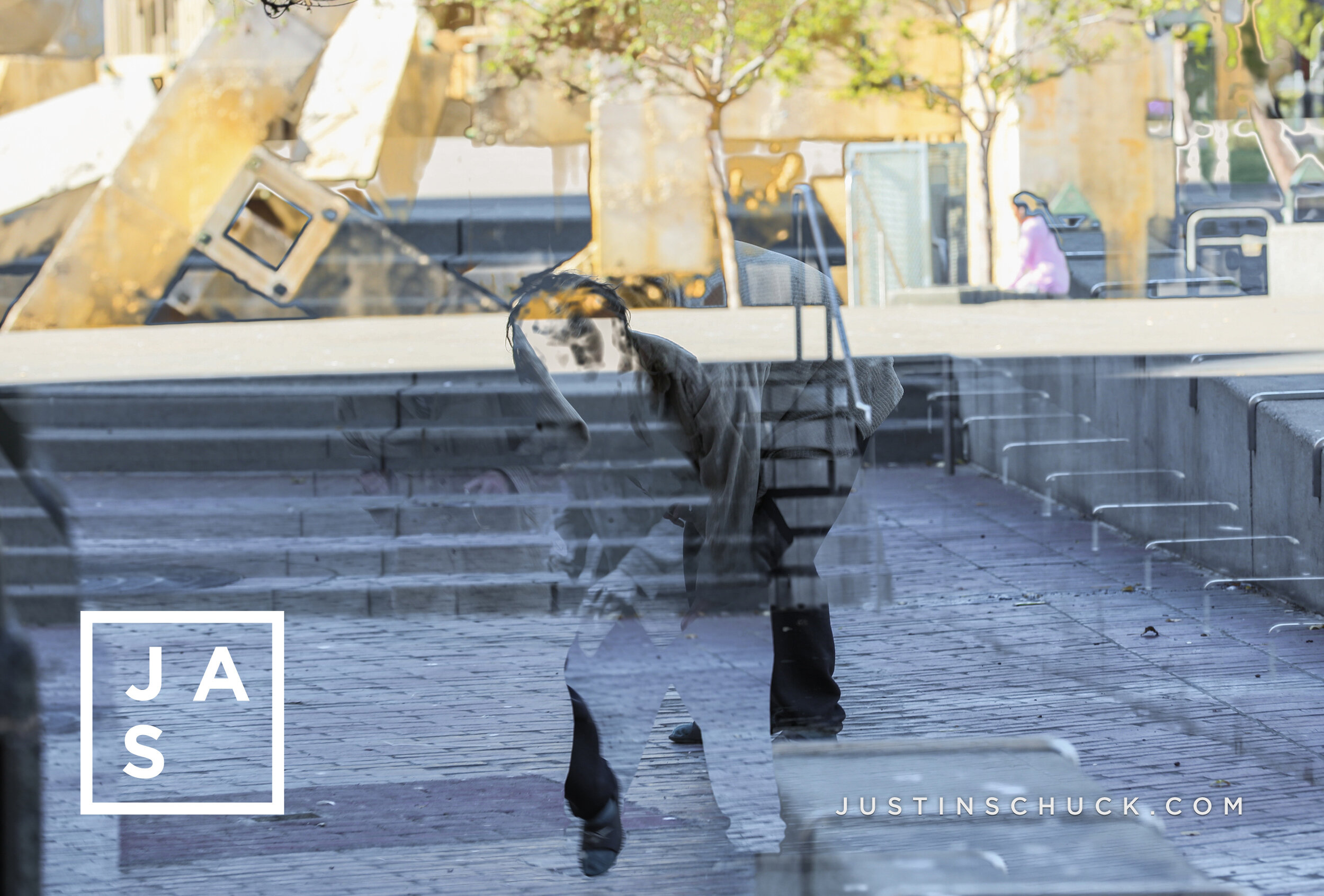
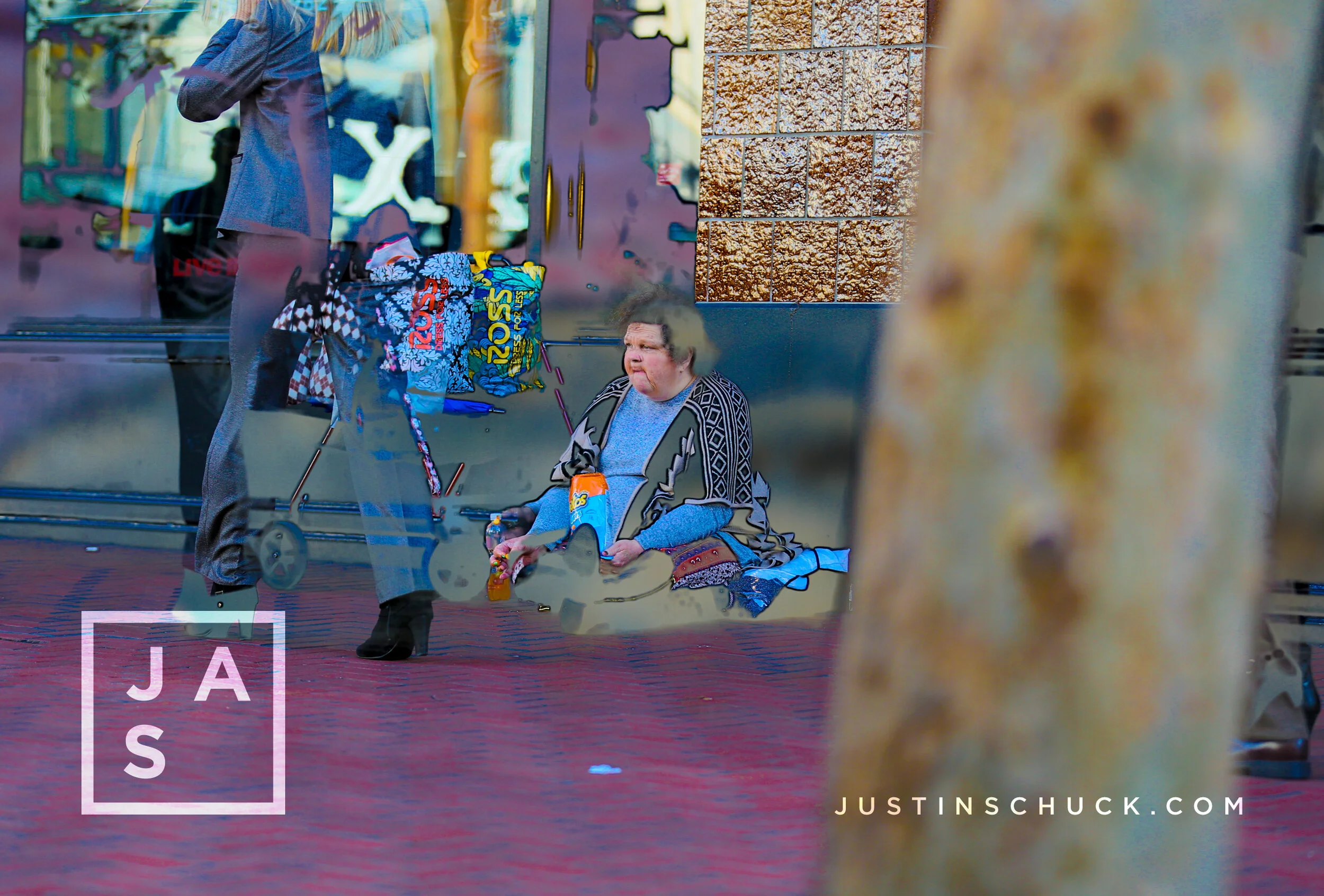
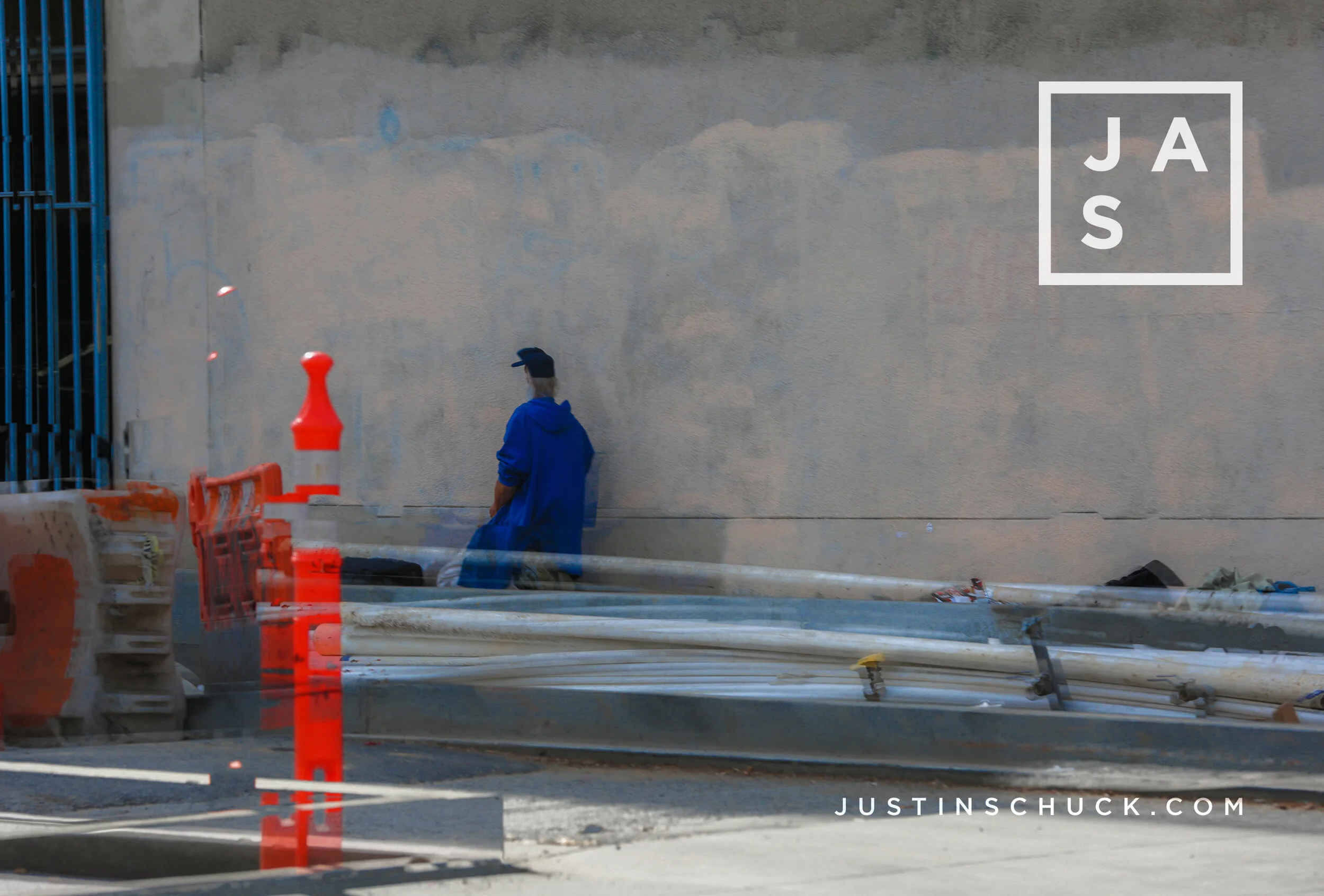
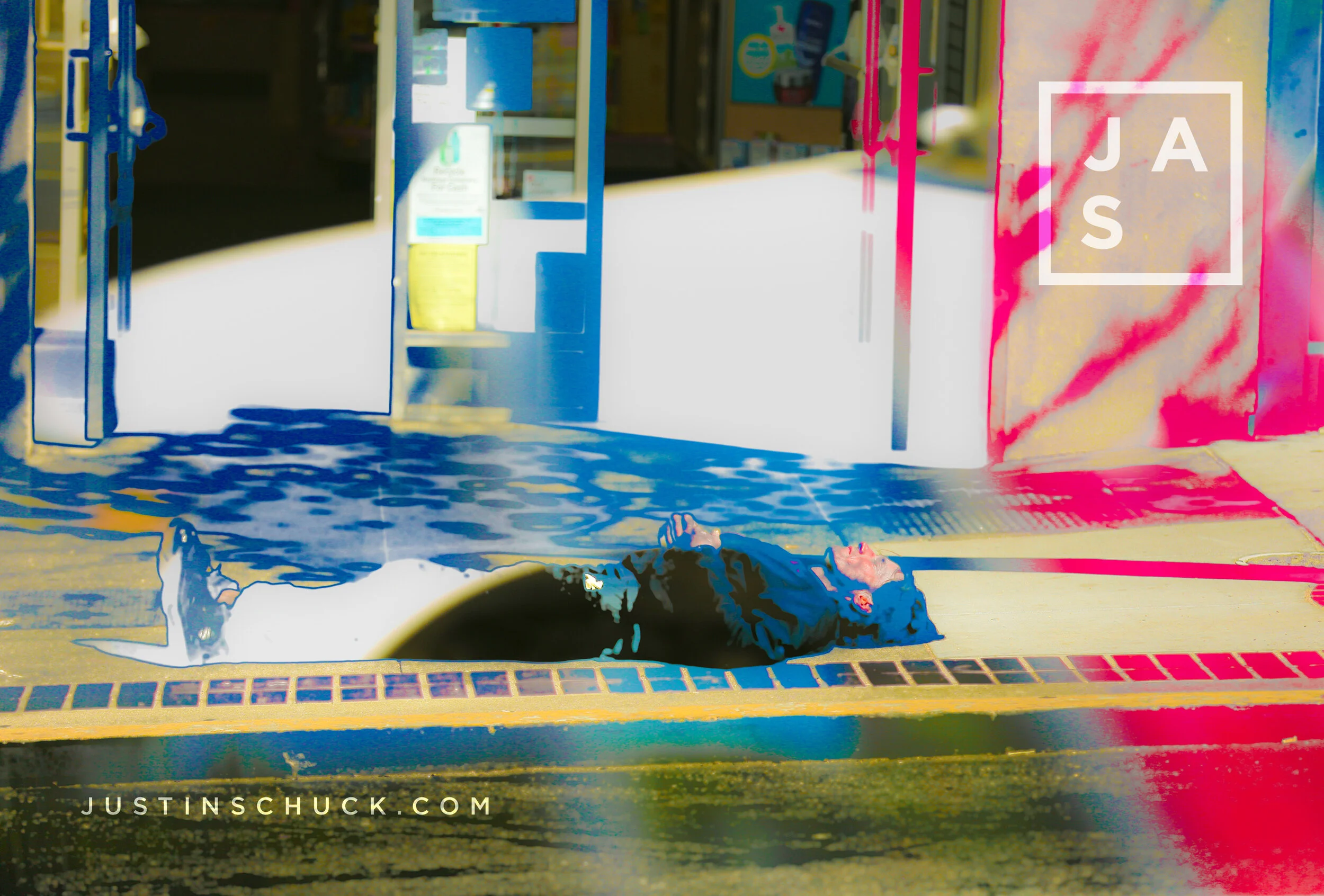
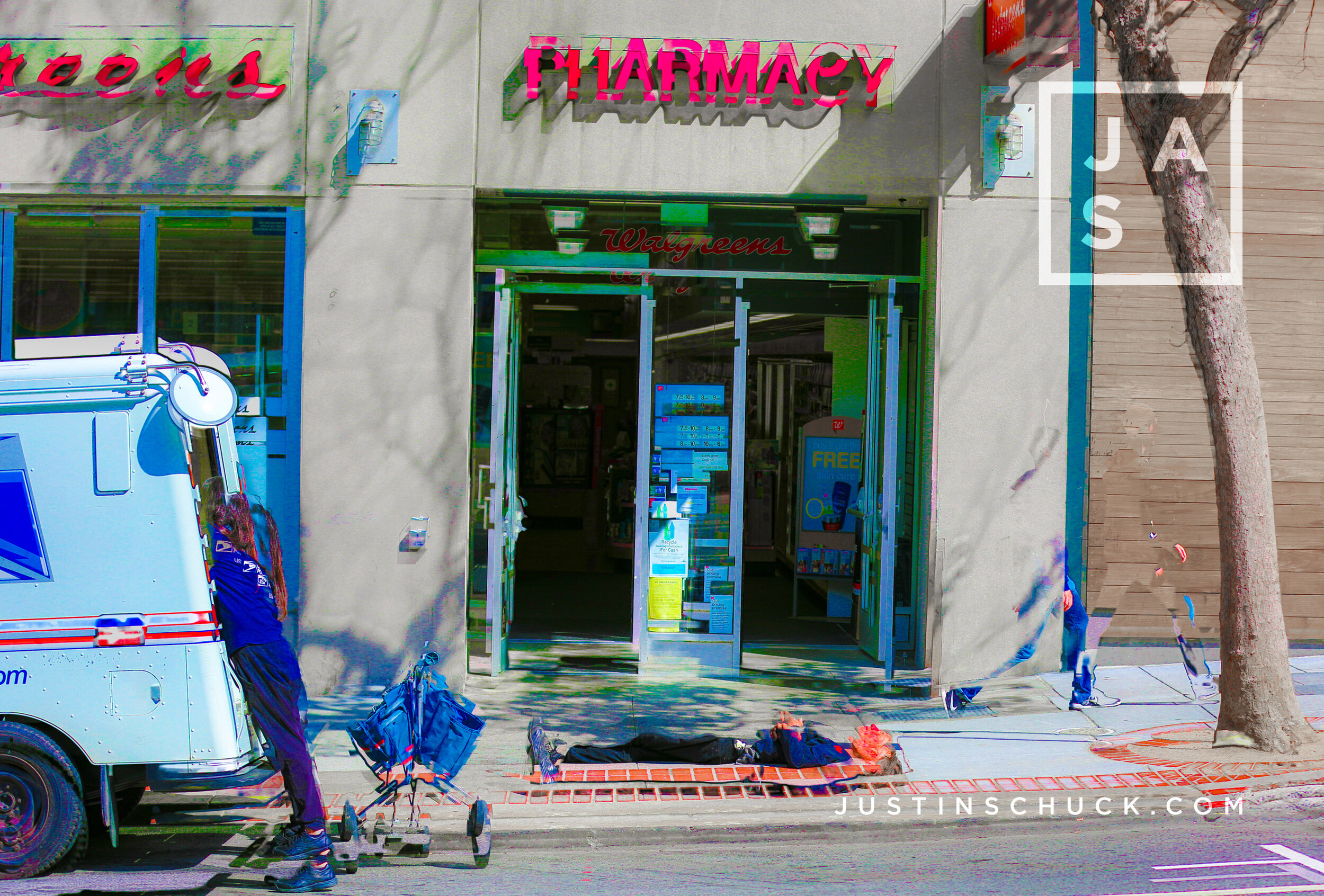
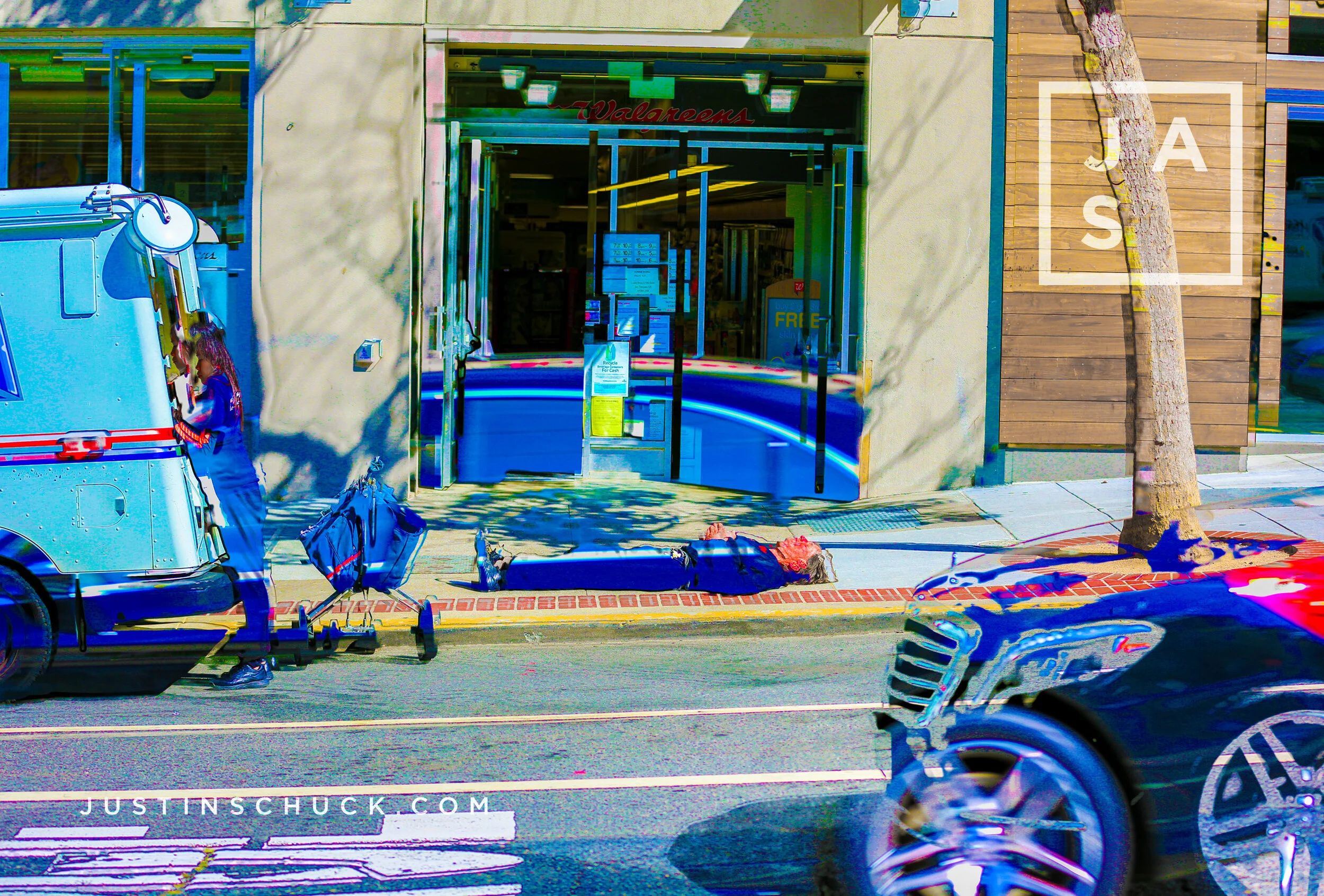
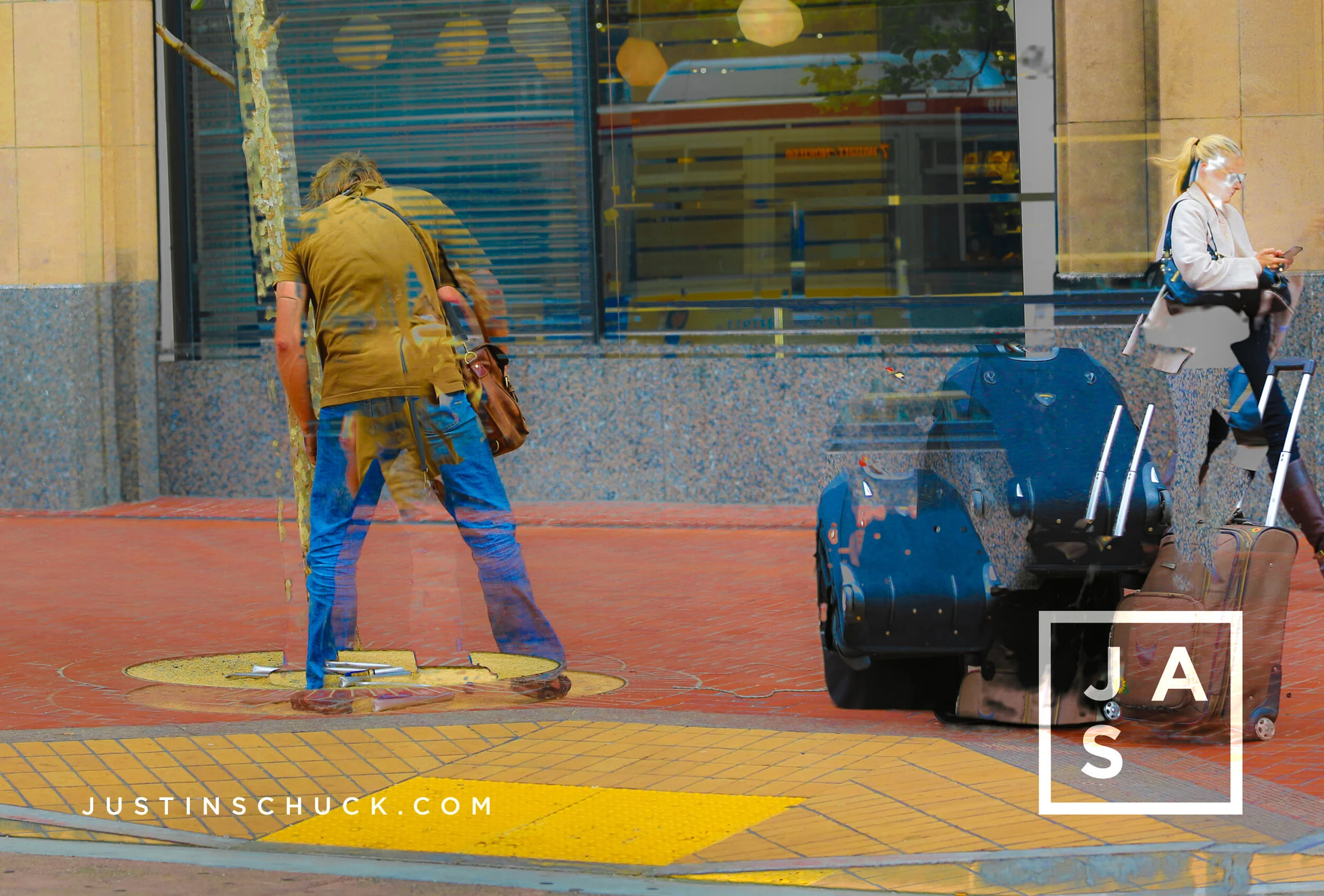
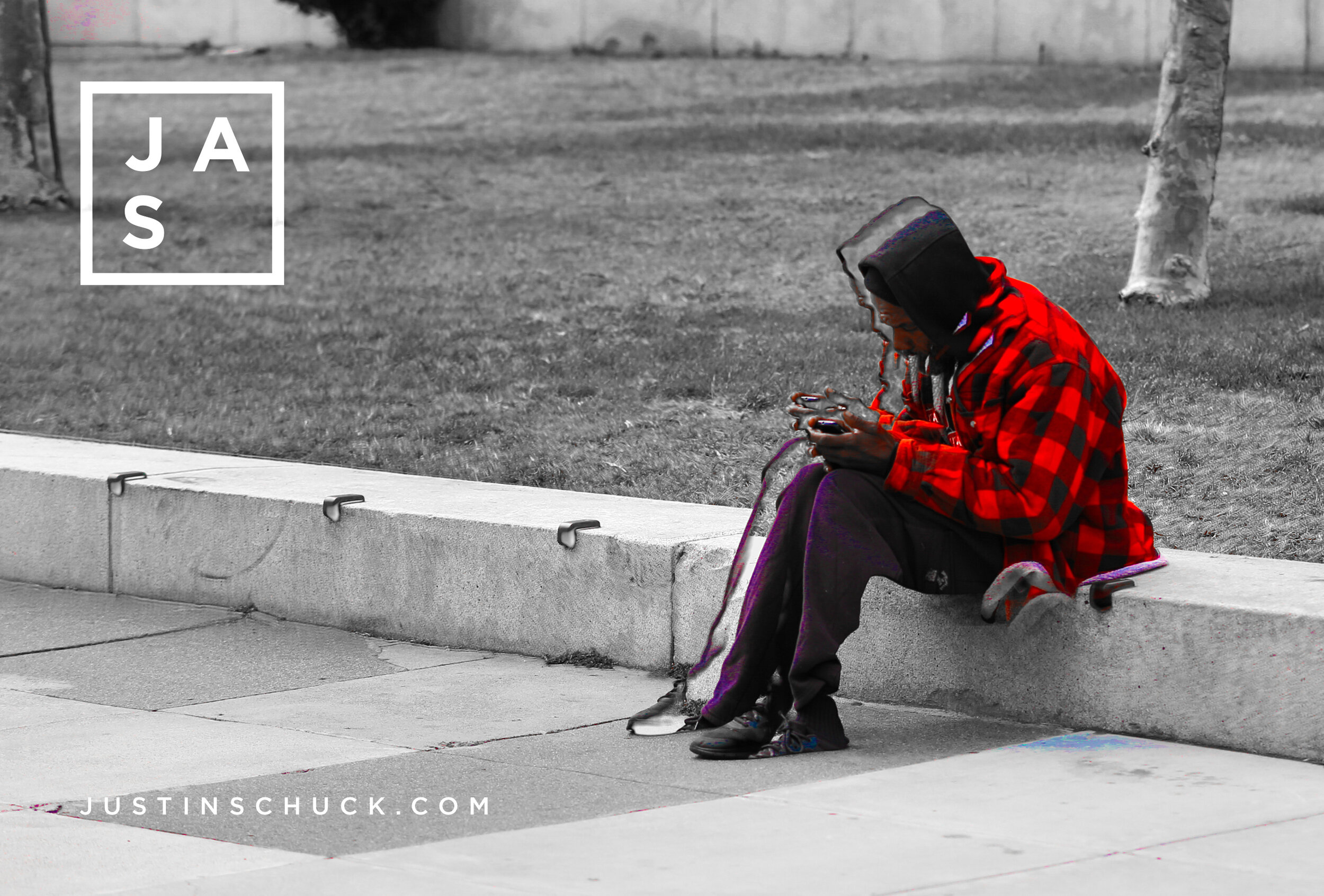
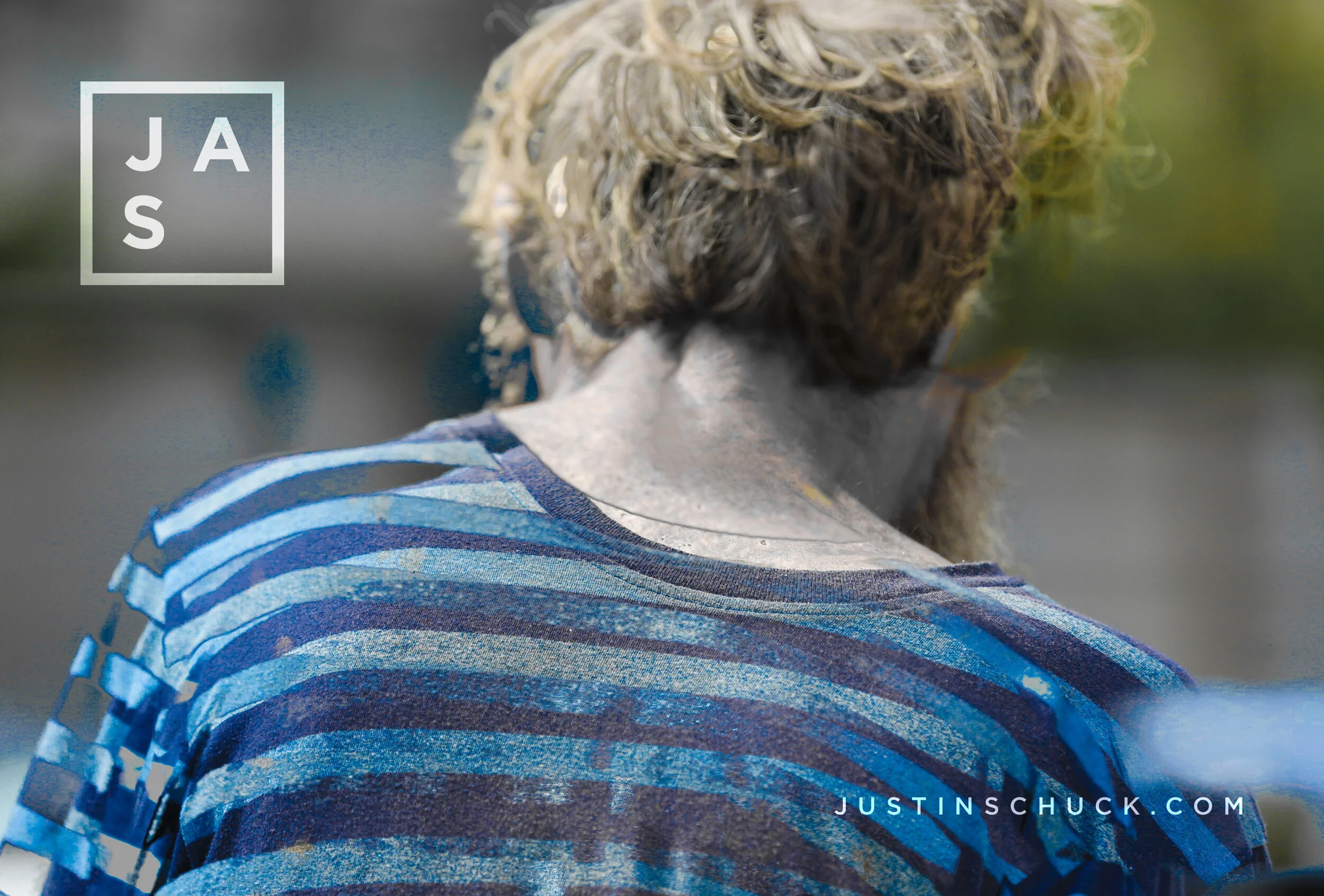
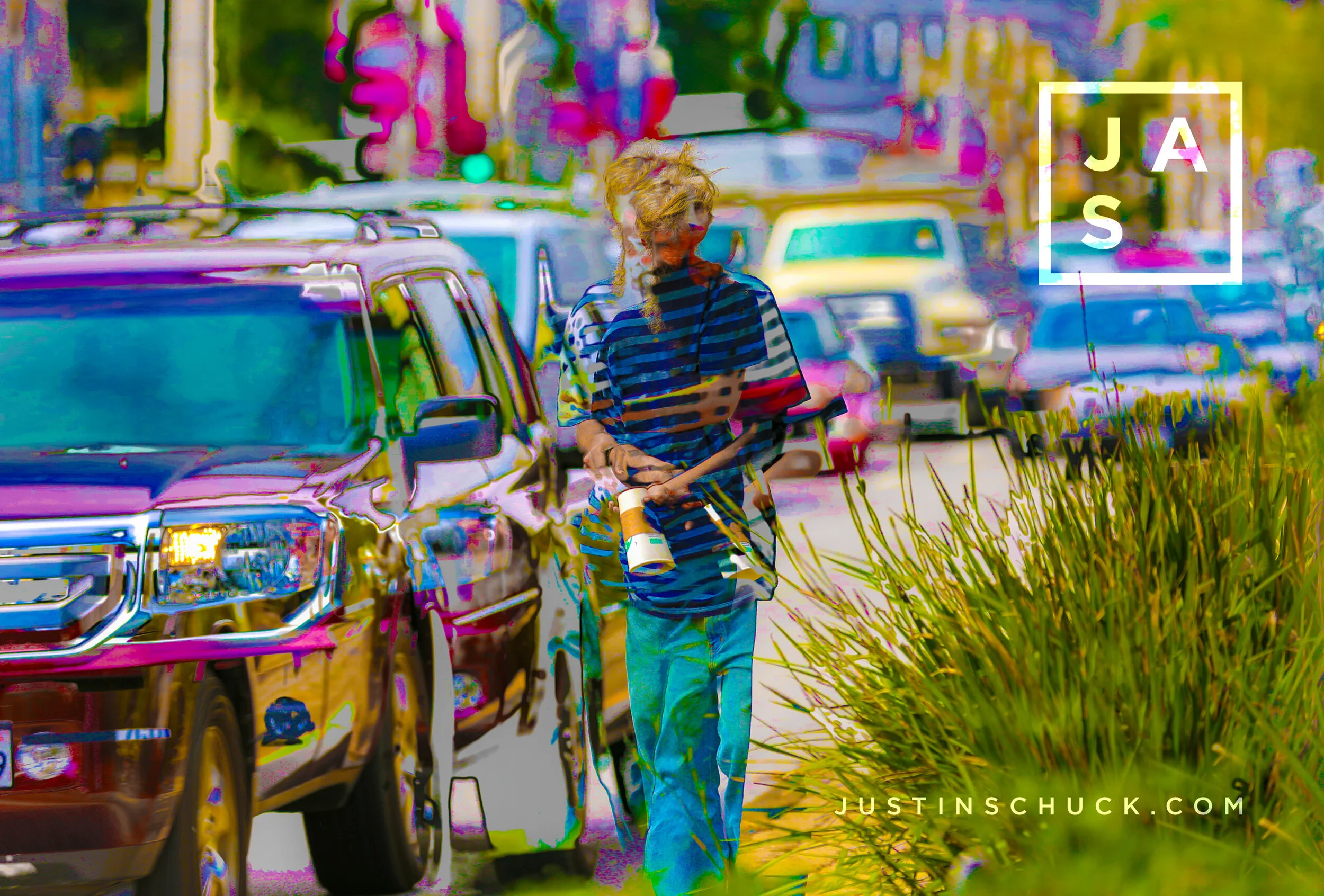
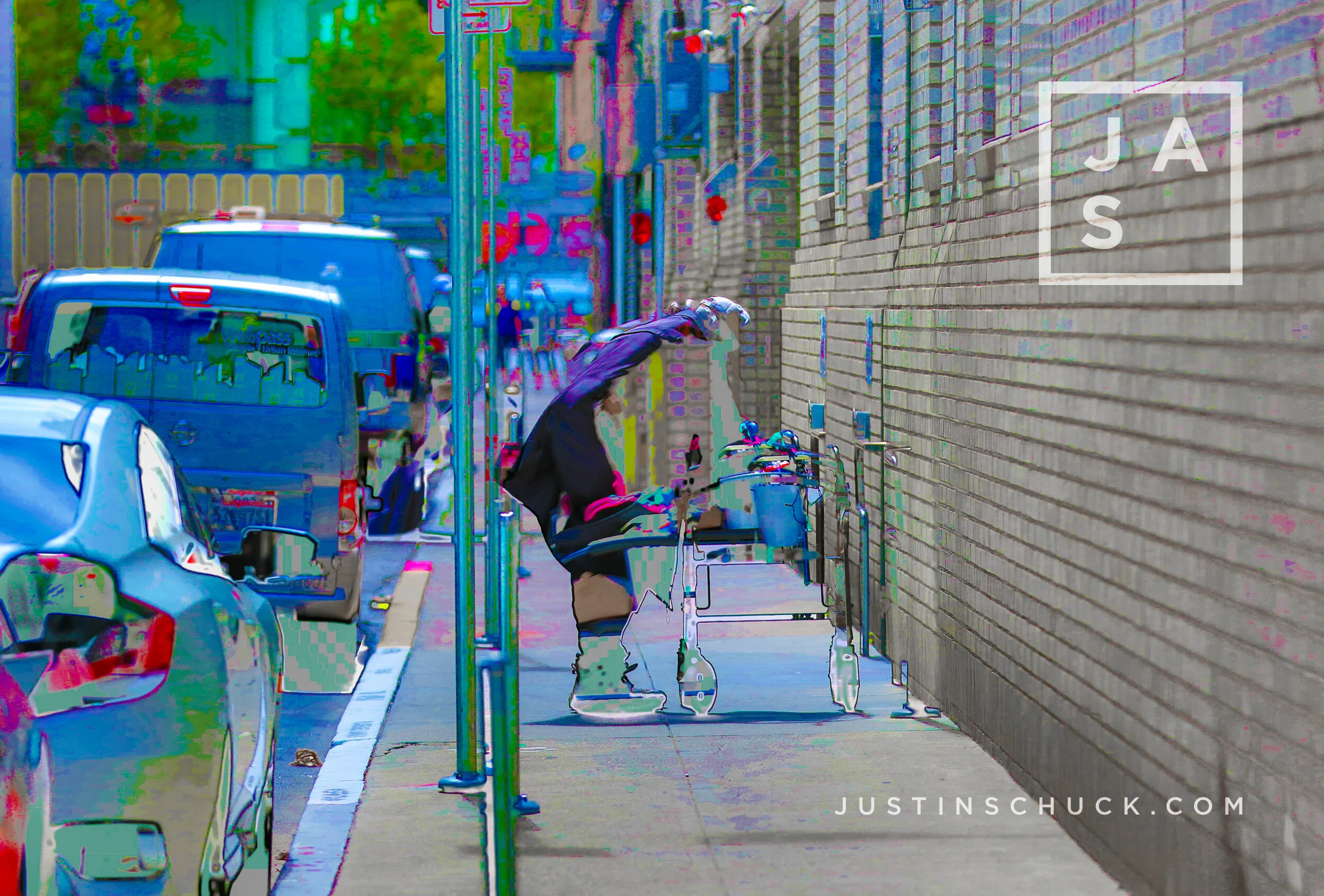
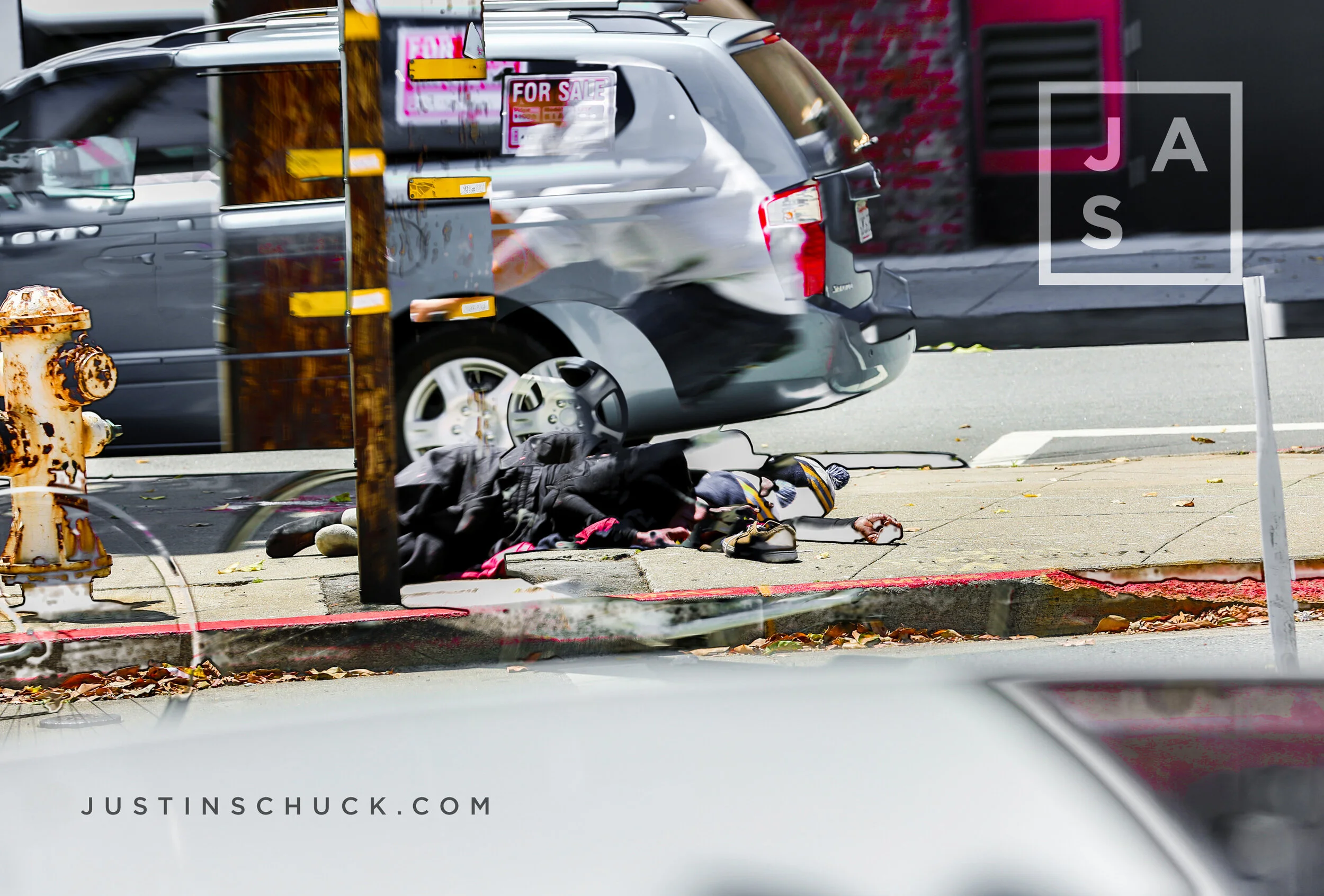
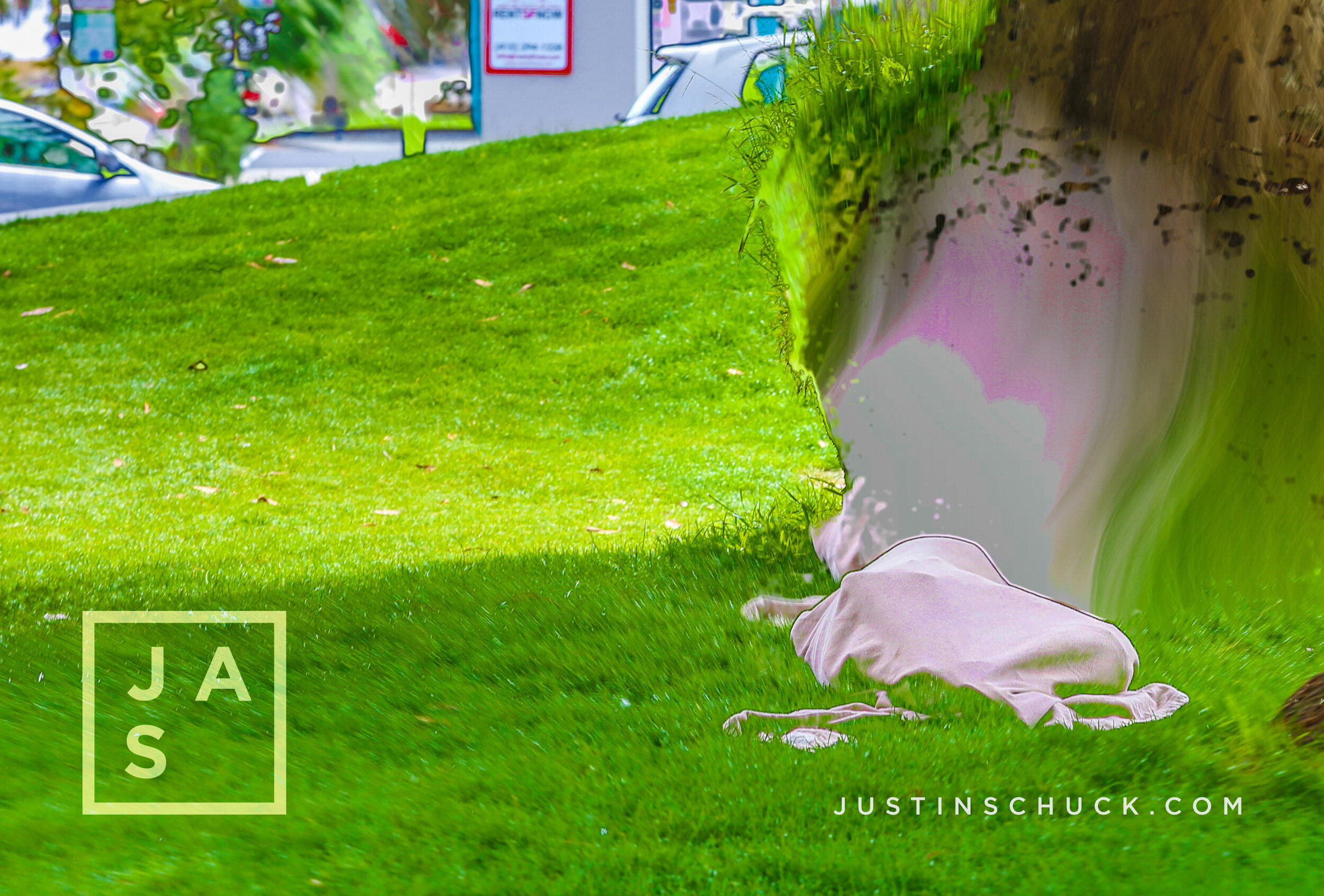
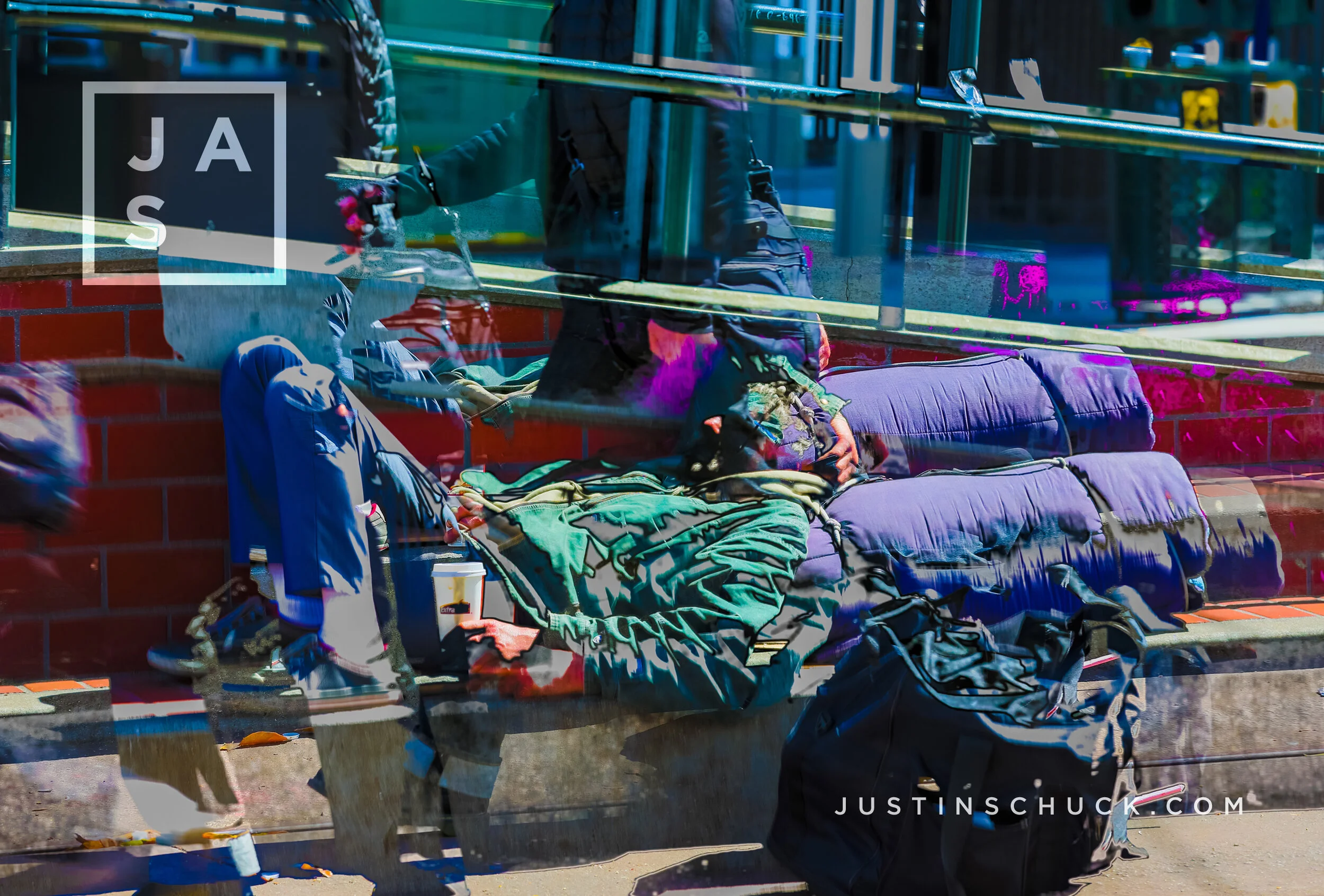
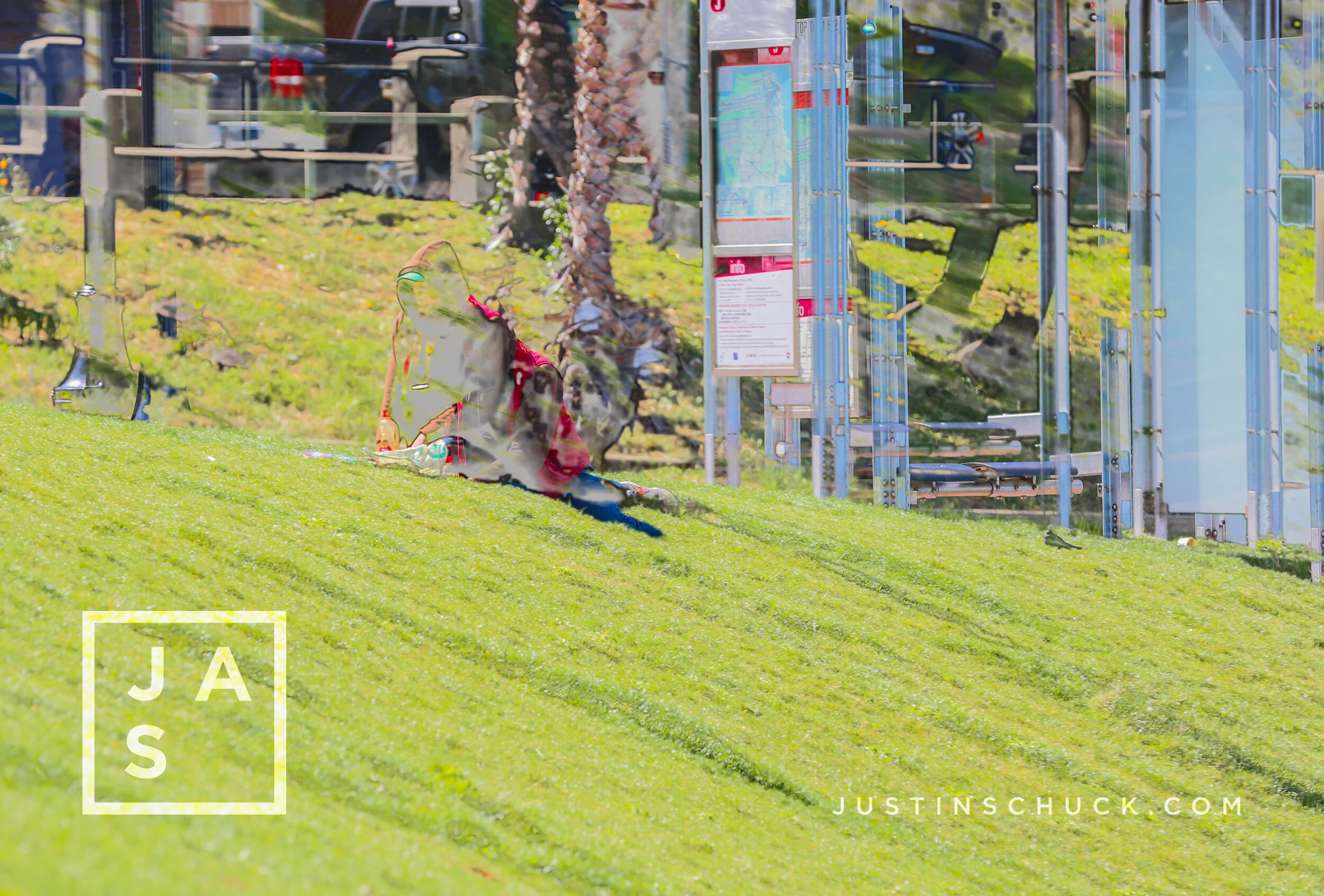
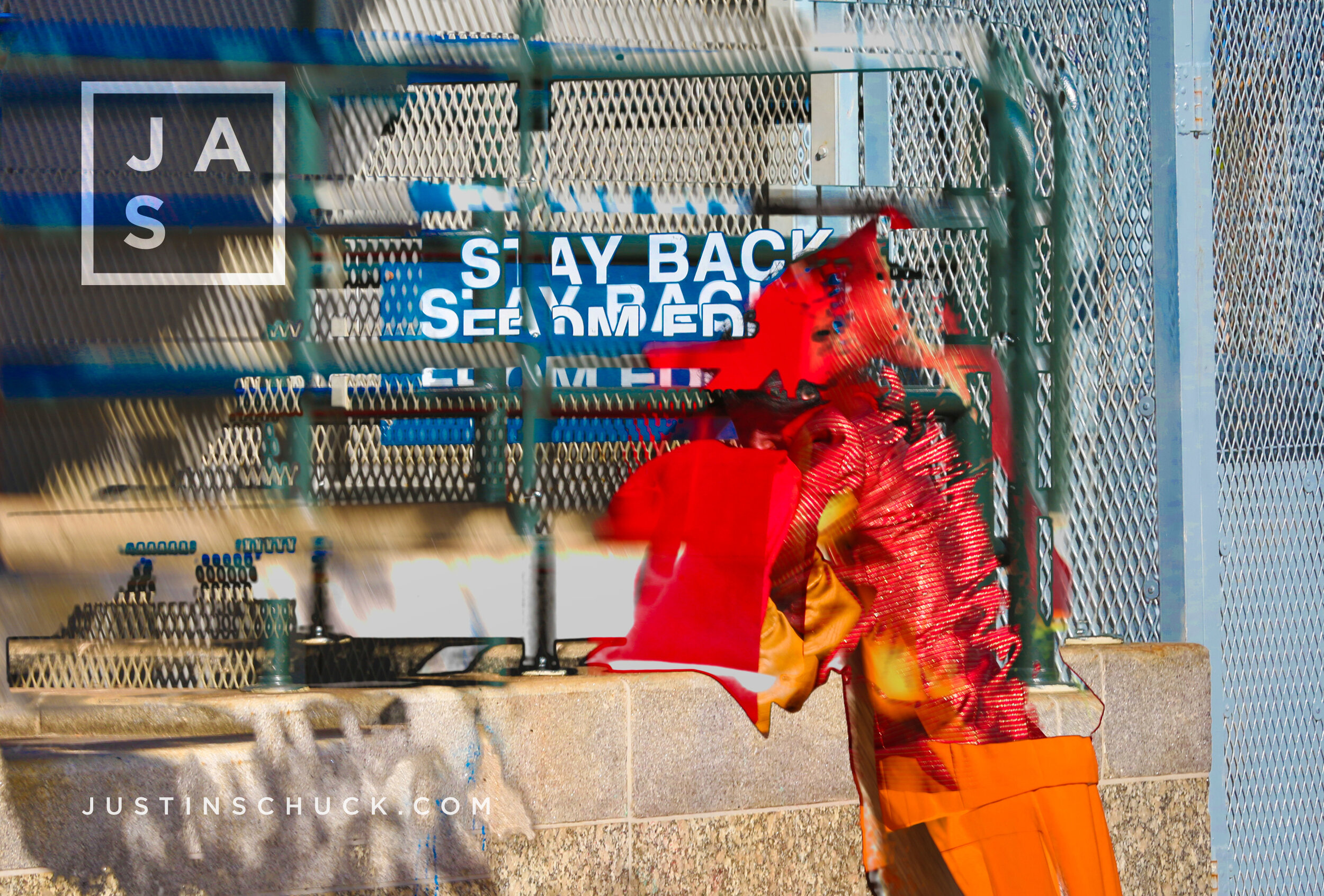
We often view the unhoused stripped of their humanity, like a piece of social infrastructure—banal, ever-present, and something to be ignored and forgotten. With the Anonymous Invisible Project, I hope to change that.
— J. Andrew